

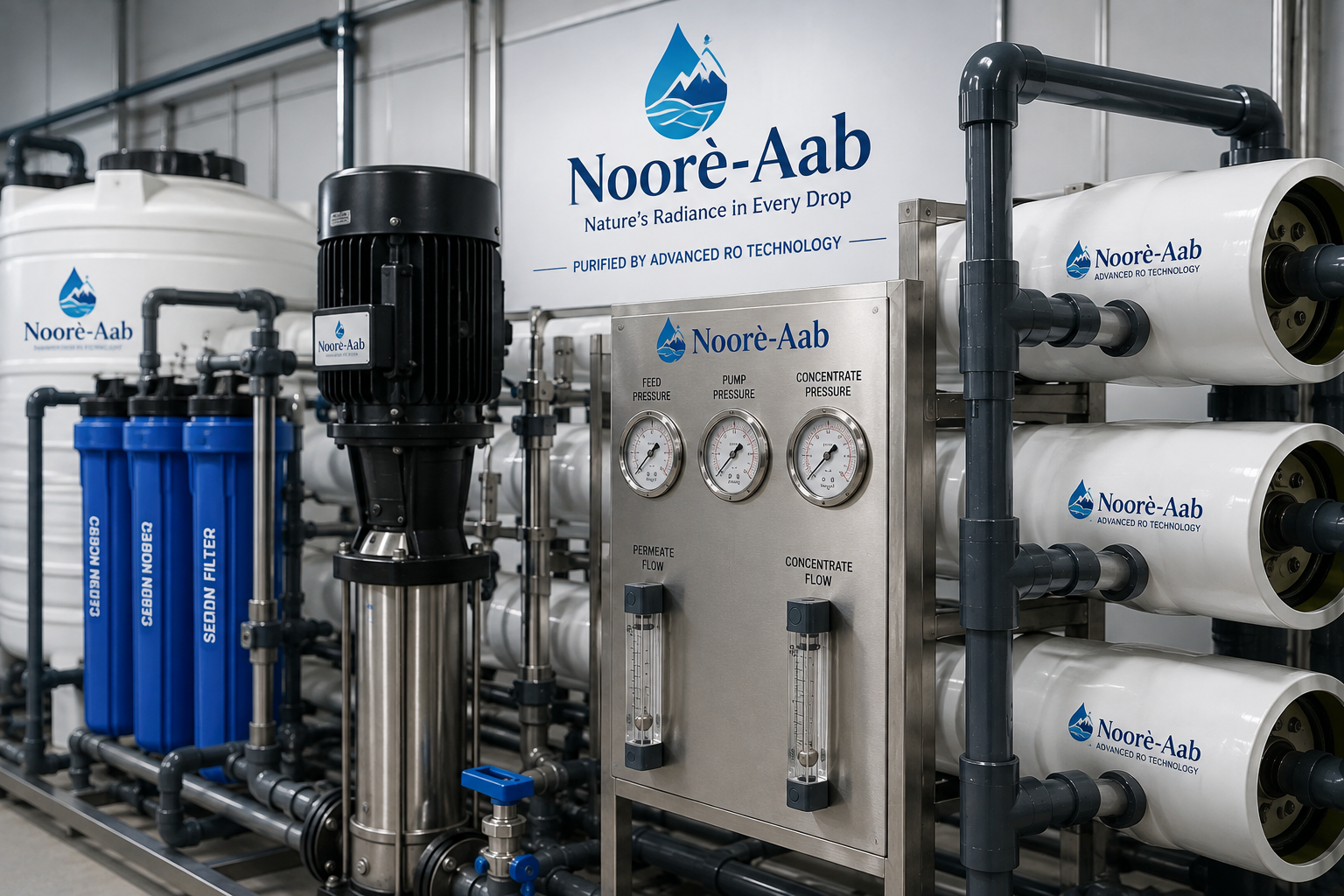
Direct Answer: A water filtration plant works by passing raw water through multiple treatment stages — sediment removal, carbon filtration, reverse osmosis, and disinfection — to strip out contaminants before the water is bottled or distributed. Each stage targets a different type of impurity, so no single step does the whole job alone.
Understanding how a water filtration plant works helps explain why the water you drink can vary so much in quality depending on where — and how — it was treated.
Why Raw Water Needs Multiple Filtration Stages
Raw water, whether from groundwater, rivers, or municipal supply, typically carries a mix of problems: sediment, dissolved salts, chlorine residue, heavy metals, and biological contaminants. No single filter removes all of these — which is why a proper water filtration plant relies on a sequence of stages, each solving a specific problem.
Inside a Water Filtration Plant: The Core Stages
1. Sediment & Pre-Filtration
Removes visible particles like sand, rust, and silt before water moves deeper into the system — protecting more delicate equipment downstream.
2. Activated Carbon Filtration
Absorbs chlorine, pesticides, and compounds responsible for bad taste and odor, without which water often tastes flat or chemically treated.
3. Reverse Osmosis (RO)
The core of most modern water filtration plant setups — water is forced through a semi-permeable membrane fine enough to block dissolved salts, heavy metals, and microscopic contaminants.
4. Remineralization
Since RO filtration strips out beneficial minerals along with contaminants, a properly designed water filtration plant reintroduces essential minerals like calcium and magnesium in controlled amounts afterward.
5. UV & Ozone Disinfection
Final disinfection stages neutralize bacteria and viruses that filtration alone may not fully address, and help maintain freshness during storage.
What Makes One Water Filtration Plant Different From Another
Not every water filtration plant follows the same standard. The differences that actually matter for water quality include:
- Number of filtration stages — more stages generally mean broader contaminant removal
- Membrane and equipment quality — affects consistency and long-term reliability
- Testing frequency — a plant that tests daily catches issues a one-time-certified plant might miss
- Hygiene protocols — how bottles are sanitized and handled after filtration matters as much as the filtration itself
From Filtration Plant to Your Bottle
Filtration is only half the process — how water is handled after leaving the plant determines whether that quality actually reaches you. Properly sanitized bottles, consistent delivery schedules, and sealed packaging all protect the work done inside the plant.
According to the World Health Organization’s guidance on drinking water, consistent monitoring throughout the treatment and distribution process — not just at the source — is essential for ensuring water remains safe by the time it reaches consumers.
Frequently Asked Questions
How many stages does a good water filtration plant need? There’s no fixed number, but most reliable systems use at least 5-7 stages, covering sediment removal, carbon filtration, RO, remineralization, and disinfection — each addressing a different type of contaminant.
Does a water filtration plant remove all minerals from water? Reverse osmosis filtration does remove most minerals along with contaminants, which is why well-designed plants add a remineralization stage afterward to restore essential minerals like calcium and magnesium.
How often should a water filtration plant test its water? Daily testing is the standard for consistent safety — a one-time certification doesn’t guarantee ongoing quality, since water conditions and equipment performance can shift over time.
Is filtered water from a plant safer than tap water? Generally yes, since a dedicated water filtration plant uses more filtration stages and more frequent testing than typical municipal tap water treatment, though quality still depends on how well the specific plant is run and maintained.