

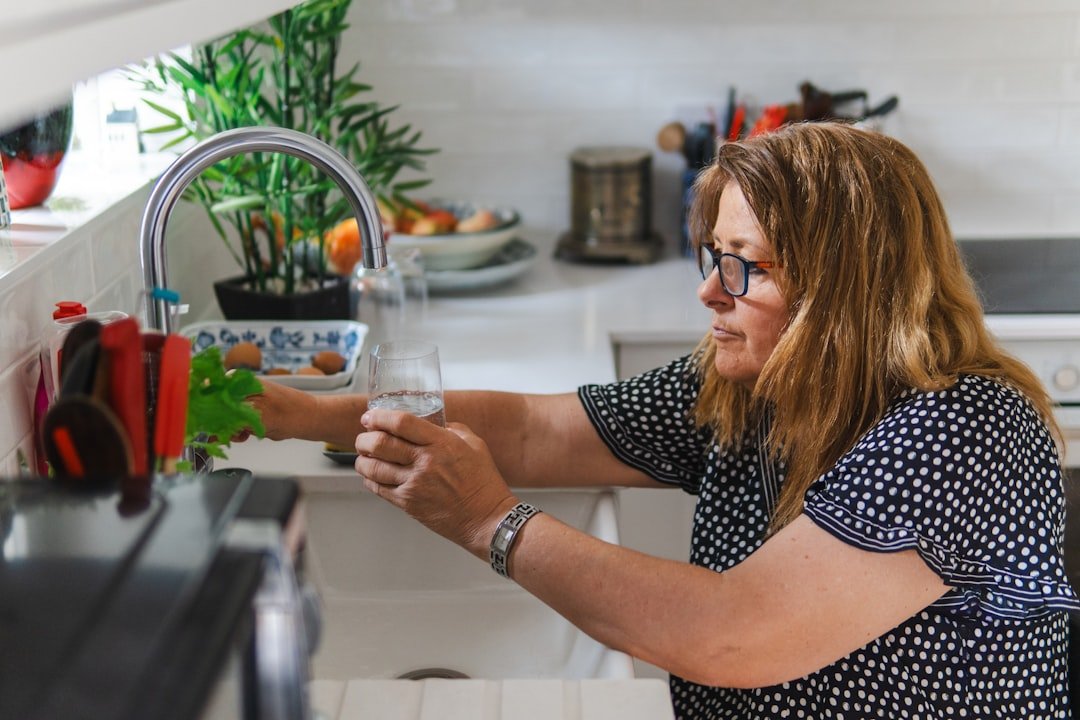
The short answer: Multan’s tap water is not safe to drink directly from the tap for most households. That’s not fear-mongering — it’s what the research consistently shows. Aging distribution pipes, inconsistent chlorination, and seasonal contamination spikes during the monsoon all combine to make untreated municipal supply a genuine risk. With the right steps, however, you can significantly reduce that risk — or skip it entirely.
Is Multan’s Tap Water Actually Safe?
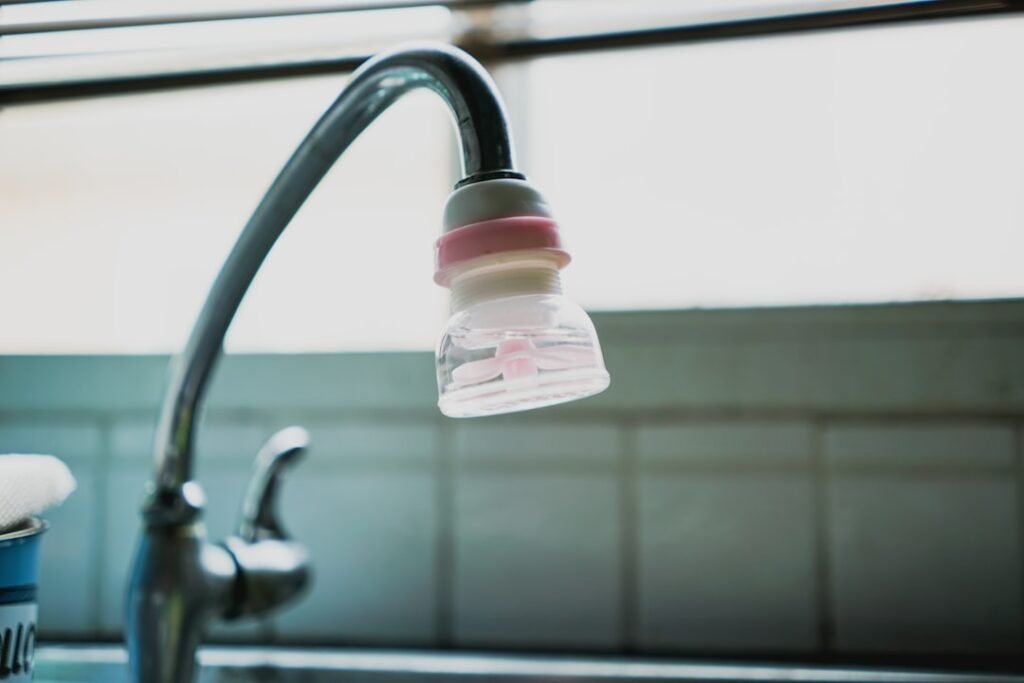
Multan’s municipal water supply — managed by WASA (Water and Sanitation Authority) — draws primarily from groundwater. In the majority of Pakistani cities, groundwater is the main source of drinking water supplied through taps. And Multan’s groundwater has a documented problem: research published in Applied Water Science found that out of 30 water samples collected from Multan city, 80% exceeded the maximum residual limit for fluoride and 73% for arsenic, while 53% of samples had both contaminants above the maximum residual limit.
Bacterial contamination is the other half of the story. While physicochemical parameters like hardness and total dissolved solids may fall within PSQCA-recommended limits in some samples, coliform and E. coli bacteria are frequently detected in Pakistani municipal supply — making water unfit for drinking according to WHO recommendations. Your tap water may look clear, but clarity alone tells you nothing about what’s dissolved or living in it.
A 2023 study on Multan District primary schools found that the presence of arsenic in groundwater poses a significant health hazard to the exposed population, with both oral and dermal consumption of contaminated water contributing to this risk. The study called on WASA to take immediate action to ensure safe drinking water for residents.
What the Standards Say: PFA & PSQCA
Pakistan has nationally notified drinking water standards. The PSQCA is responsible for disseminating these standards, which were formally notified in the official gazette on 26 November 2010. At the provincial level, the Punjab Food Authority (PFA) — established under the Punjab Food Authority Act 2011 — enforces food and water safety standards across Punjab. More recently, the Punjab Saaf Pani Authority Act 2024, enacted on 17 October 2024, centralised efforts to address water quality challenges across the province.
Here is how the official PSQCA limits compare with what Multan’s municipal supply typically delivers:
| Parameter | PSQCA / WHO Safe Limit | Ideal Drinking Range | Typical Multan Tap Water |
|---|---|---|---|
| pH | 6.5 – 8.5 | 6.5 – 7.5 | Often within range, but variable |
| Total Dissolved Solids (TDS) | Max 1,000 mg/L | 50 – 300 mg/L (WHO excellent) | Frequently 400 – 1,000+ mg/L |
| Arsenic (As) | Max 0.010 mg/L | 0 (non-detectable preferred) | Exceeds limit in majority of tested samples |
| Fluoride (F⁻) | Max 1.5 mg/L | 0.5 – 1.0 mg/L | Exceeds limit in ~80% of tested samples |
| Total Coliforms (bacteria) | 0 / 100 mL | 0 / 100 mL | Detected in many supply samples |
| Free Chlorine Residual | 0.2 – 0.5 mg/L | 0.2 mg/L minimum | Inconsistent; often below minimum |
| Total Hardness (as CaCO₃) | Max 250 mg/L | Below 150 mg/L | Elevated in many areas |
Sources: PSQCA PS:2102-2003; Applied Water Science, Multan drinking water study (2021); ScienceDirect arsenic surveillance study, Multan (2023).
The key takeaway: TDS alone does not tell the full story. Water that passes the TDS test can still carry arsenic, fluoride, or bacterial contamination — which is why a single meter reading is never the whole answer. The Pakistan Council of Research in Water Resources (PCRWR) publishes test reports comparing results against PSQCA standards, and clearly identifies whether water is safe or unsafe for each tested parameter.
Where the Risks Come From
Understanding why Multan’s tap water falls short helps you make smarter decisions for your household. The risks aren’t random — they follow predictable patterns based on location, season, and infrastructure age.
Older Neighbourhoods vs. Newer Housing Schemes
In areas like Bosan Road, Chowk Kumharan, and the older inner-city mohallas, distribution pipes are decades old. Corroded and cracked pipes don’t just lose pressure — they become entry points for sewage and soil contamination, especially when supply is intermittent and negative pressure pulls contaminants inward. Pakistan’s water travels through old pipes, passes through contaminated ground, and is often stored in uncovered tanks before reaching homes — by the time it reaches your glass, TDS and contamination levels are frequently far beyond safe limits.
Newer housing schemes — DHA Multan, Bahria Town, and planned developments on the city’s outskirts — generally benefit from newer pipework and more consistent pressure, which reduces (but does not eliminate) the contamination risk. Even in newer areas, rooftop storage tanks that aren’t cleaned regularly become a breeding ground for bacteria.
The Monsoon Effect
Multan’s summers are punishing — temperatures regularly exceed 45°C — and the monsoon season brings its own water quality crisis. Heavy rainfall raises the water table, which can push agricultural runoff, sewage, and surface contaminants into shallow aquifers. Research on urban areas of southern Punjab has found that microbial contamination increases both before and after the monsoon season, with fecal coliform detected in samples collected during these periods. In Multan’s heat, stagnant water sitting idle in supply lines between intermittent supply cycles also accelerates bacterial growth significantly.
Inconsistent Chlorination
A free chlorine residual of at least 0.2 mg/L is required to maintain disinfection through the distribution network. In practice, WASA’s chlorination across Multan is inconsistent — some areas receive adequate residual chlorine at the source, but by the time water travels through aging pipes and sits in rooftop tanks, that protection is largely gone. Research has found that residual chlorine in water storage reservoirs often falls well below the prescribed minimum, and this directly correlates with high microbial contamination readings.
Practical Steps if You Still Use Tap Water
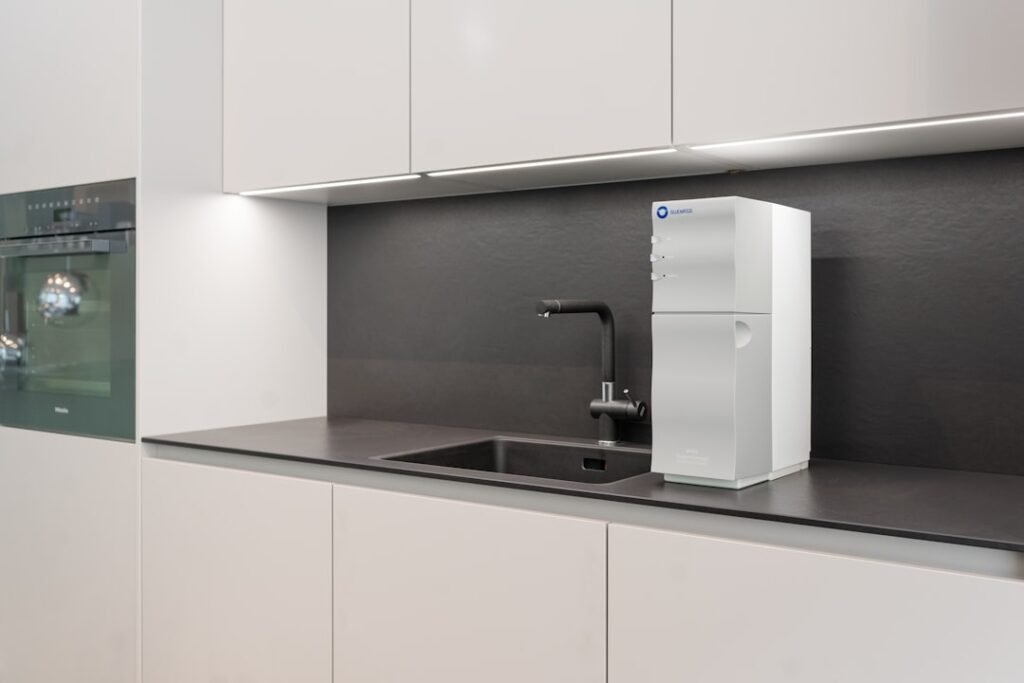
If switching to sealed mineral water delivery isn’t immediately possible, here are the most effective steps you can take — ranked from most to least protective. Paani ko ubaalna zaroori hai, lekin yeh kaafi nahi. (Boiling water is necessary, but it’s not enough on its own.)
Step 1: Boil — But Know Its Limits
A rolling boil for at least one minute kills bacteria, viruses, and protozoa in Pakistan’s tap water. Although boiling cannot completely purify water, it is effective in killing up to 99.99% of germs — that’s meaningful protection. But it has a hard ceiling: boiling does not remove chemicals or heavy metals. It does not reduce TDS, and does not remove arsenic or lead — in fact, it slightly concentrates dissolved substances as water evaporates. So for households in areas where arsenic or fluoride contamination is a concern, boiling alone is not a complete solution.
Step 2: Use a Multi-Stage Home Filter
For chemical and heavy-metal contaminants, a home filtration system that includes a reverse osmosis (RO) membrane is the most effective option. For urban areas where chemical and heavy metal contamination is a concern, a multi-stage filter including activated carbon or reverse osmosis is advisable — standard hollow-fibre filters remove bacteria and protozoa but not chemical pollutants. A good home RO system will bring TDS down to the 50–300 mg/L range that WHO considers excellent for drinking water. Look for systems that include a remineralisation stage, since RO strips both harmful and beneficial minerals.
Step 3: Test Your Water with a TDS Meter
A basic TDS meter costs as little as PKR 500–800 from any electronics market in Multan and gives you an instant reading of dissolved solids in your supply. The best TDS level for drinking water in Pakistan’s context is between 50 and 300 mg/L — and PCRWR monitoring data confirms that most household tap water falls far outside this range. A reading above 500 mg/L is a strong signal that additional filtration is needed. Remember, though: a low TDS reading doesn’t guarantee the water is free of arsenic, fluoride, or bacteria — those require laboratory testing to confirm.
Step 4: Switch to Sealed Mineral Water for Drinking
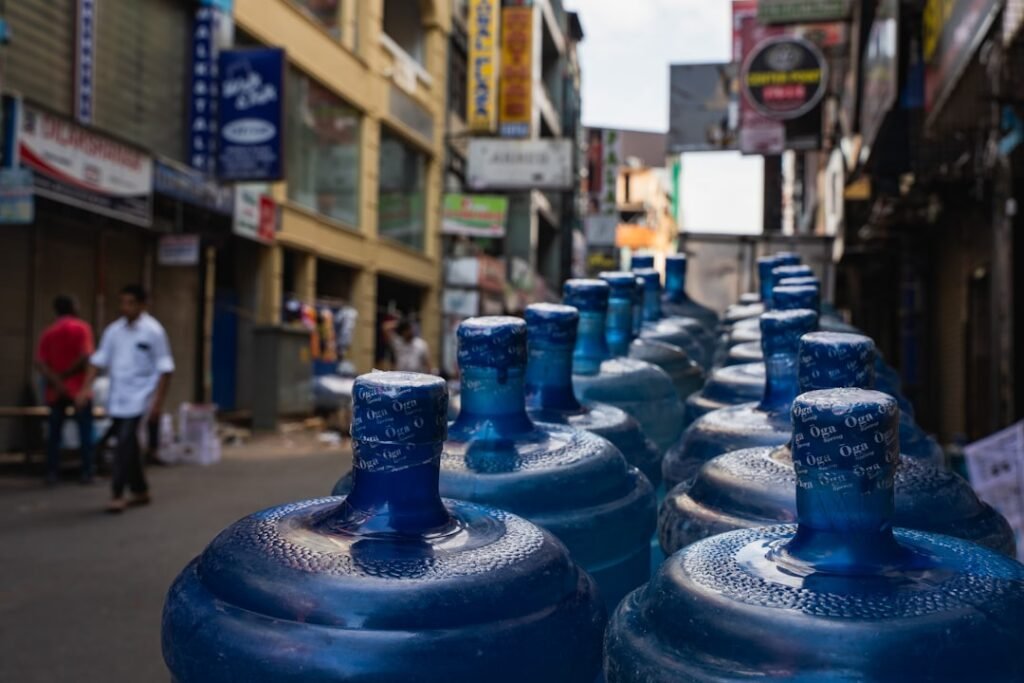
For drinking and cooking, the most reliable option — especially for young children, pregnant women, and elderly family members — is sealed mineral water from a trusted, regulated supplier. Under updated PFA regulations, all Punjab water filtration plants must replace their filtration filters every month to prevent bacterial buildup and ensure consistently processed water. When choosing a supplier, look for one that can demonstrate compliance with PSQCA PS:2102-2003 mineral water standards — including zero total coliforms per 250 mL and TDS within safe limits.
The meethay paani you want for your family isn’t just about taste — it’s about knowing exactly what’s in every litre. A 19L sealed bottle for home or office delivery is the most practical way most Multan households can guarantee that standard daily, without relying on infrastructure that’s outside their control.
Frequently Asked Questions
The questions below cover what Multan residents most commonly ask about tap water safety. If you have a question that isn’t answered here, our team at Noorè-Aab is happy to help — just send a message on WhatsApp.
What This Means for You
The evidence is clear: for most Multan households, tap water needs at minimum a combination of boiling and multi-stage filtration before it’s safe for drinking — and even then, chemical contaminants like arsenic and fluoride require RO-level treatment to address properly. For families with young children, elderly members, or anyone with health concerns, the most dependable solution is a reliable sealed mineral water supply delivered to your door.
Noorè-Aab delivers 19L sealed mineral water across Multan — no long-term commitment required to get started. Message us on WhatsApp to order a sample bottle and taste the difference for yourself. Place it side by side with your filtered tap water and judge the quality directly. We believe trust is built one glass at a time — and we’re confident enough in what we deliver to let the water speak for itself. Har Qatra Bharosy Ka.
Frequently Asked Questions
Does boiling make Multan tap water safe enough to drink?
Boiling kills up to 99.99% of bacteria, viruses, and protozoa, making it a useful first step. However, boiling does not remove arsenic, fluoride, heavy metals, or reduce TDS — all of which are documented concerns in Multan’s municipal supply. Boiling should be combined with a multi-stage filter, or replaced entirely with sealed mineral water for drinking and cooking.
Which areas of Multan have the worst tap water quality?
Older, inner-city neighbourhoods — including parts of Bosan Road and Chowk Kumharan — tend to have the greatest risk due to aging distribution pipes that are more susceptible to contamination. Rooftop storage tanks in any area that are not regularly cleaned also significantly worsen water quality. Newer housing schemes generally have fresher pipework, but are not risk-free.
Does WASA Multan test its water regularly?
WASA does conduct some chlorination and testing, but monitoring is inconsistent across Multan’s network. Research consistently shows that chlorine residuals fall below the required minimum by the time water reaches household taps, and bacterial contamination is frequently detected. The Pakistan Council of Research in Water Resources (PCRWR) offers independent water quality testing that residents can request for a more reliable assessment.
What TDS level should drinking water in Multan be?
The WHO considers a TDS of below 300 mg/L excellent for drinking water. PSQCA sets the maximum permissible TDS at 1,000 mg/L. Most Multan tap water falls in the 400–1,000+ mg/L range — outside the WHO excellent band. A TDS meter gives you a quick home reading, but remember that a low TDS reading alone does not confirm safety from arsenic, fluoride, or bacteria.
Is 19L sealed mineral water from a local supplier safe?
It can be — provided the supplier complies with PSQCA PS:2102-2003 mineral water standards, which require zero total coliforms per 250 mL and TDS within safe limits. Under updated Punjab Food Authority (PFA) regulations, commercial water filtration plants in Punjab must replace filters monthly and undergo regular lab testing. Always choose a supplier who can demonstrate compliance with these standards.