

Pregnant women need water with low contaminant levels, a balanced mineral profile, and verified sealing. The target benchmarks: TDS between 100 and 150 PPM, pH between 6.5 and 7.5, and zero bacterial contamination. Safety comes first, mineral content second. If the water carries heavy metals or bacteria, no amount of dissolved calcium makes it acceptable.
For expectant mothers in Multan, the stakes are higher because the baseline tap water quality is already compromised. Research on Multan’s groundwater has found that a significant majority of tested samples exceed safe limits for arsenic and fluoride, and bacterial contamination is common in municipal supply. That means the question is not just “am I drinking enough?” but “am I drinking water clean enough for two?”
What Should Pregnant Women Look for in Water?
The best water for pregnant women meets three criteria simultaneously: it is free of harmful contaminants, it retains beneficial minerals in balanced proportions, and it comes from a source you can verify. A TDS reading of 100 to 150 PPM signals water that has been purified of excess salts and heavy metals but still carries dissolved minerals your body needs. A pH between 6.5 and 7.5 means the water is neither acidic enough to taste harsh nor alkaline enough to interfere with your stomach’s natural chemistry.
Here is what to check before making water a daily habit during pregnancy:
- Contaminant-free: Zero total coliforms and E. coli per 250 mL, no detectable lead or arsenic, and nitrate levels below 10 mg/L (the PSQCA and WHO safe limit).
- Mineral-balanced: TDS between 100 and 150 PPM, indicating the water retains calcium, magnesium, and potassium rather than being stripped bare.
- pH 6.5 to 7.5: Neutral to very slightly alkaline, avoiding both corrosive acidity and the digestive concerns some doctors raise about high-alkaline water during pregnancy.
- Verified sealing: Bottled water should arrive with an intact, tamper-evident seal. An unsealed or resealed bottle is a red flag regardless of brand.
If you want to dig deeper into how different water types compare beyond pregnancy-specific needs, our guide on which water is best for drinking breaks down the full landscape of tap, filtered, mineral, and purified options.
Contaminants to Avoid Completely
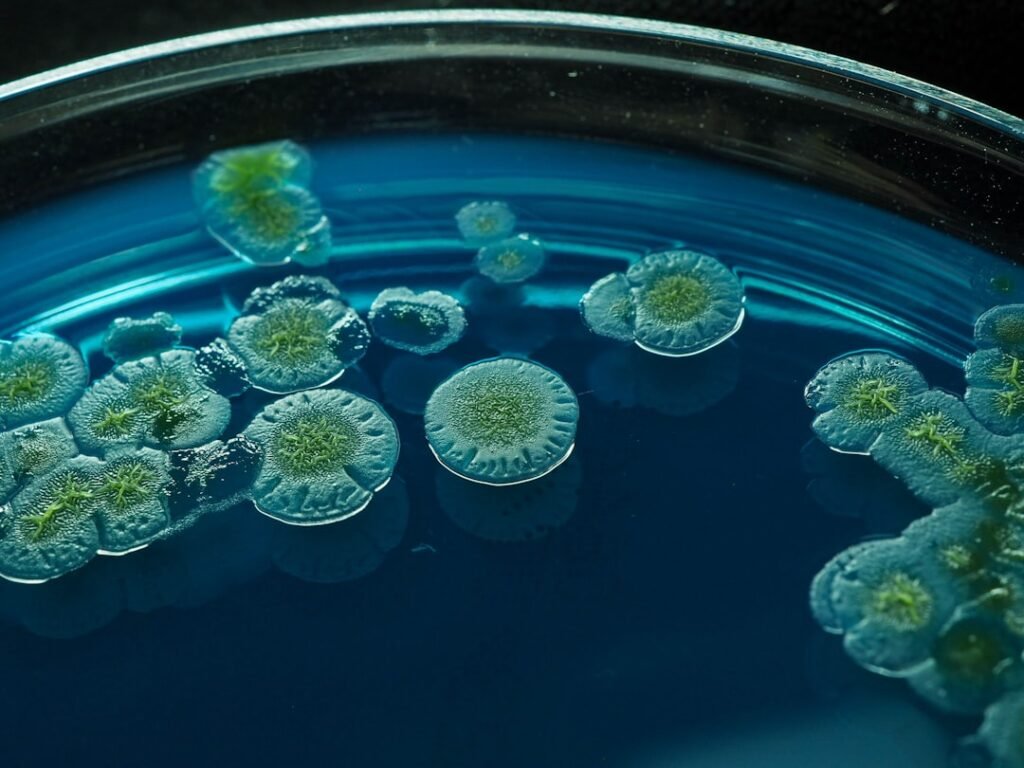
During pregnancy, certain contaminants carry risks that go beyond general water safety. A developing fetus is more sensitive to chemical and microbial exposure than an adult, and the immune system is naturally modulated during pregnancy. This means water that might cause minor stomach upset for another adult could pose a more serious concern for an expectant mother. The contaminants below are the ones that matter most, and none of them can be removed by boiling alone.
Bacterial Contamination (E. coli, Total Coliform)
Bacteria in drinking water is the most immediate risk. E. coli and total coliform bacteria indicate that the water has been exposed to fecal contamination at some point in the supply chain. For pregnant women, the concern is twofold: the immune system does not respond as aggressively during pregnancy, and waterborne pathogens that might cause a mild stomach bug for another adult can cause more severe dehydration and illness when the body is already supporting a pregnancy.
PSQCA standard PS:2102-2003 requires zero total coliforms per 250 mL for mineral water. The Punjab Food Authority (PFA) enforces these standards at the provincial level and requires commercial filtration plants to replace filters monthly to prevent bacterial buildup. If your water supplier cannot demonstrate compliance with this standard, that is a signal to switch.
Heavy Metals (Lead and Arsenic)
Lead and arsenic are the two heavy metals most relevant to Multan’s water landscape. Lead typically enters water through corroded plumbing and distribution pipes, not from the source itself. Arsenic, on the other hand, is a groundwater problem across southern Punjab. Research published in Applied Water Science found that out of 30 water samples collected from Multan city, a majority exceeded the maximum residual limit for both arsenic and fluoride, with over half exceeding limits for both contaminants simultaneously.
Neither metal can be removed by boiling. Both accumulate in the body over time, and there is no established “safe” level of lead exposure during pregnancy. A proper reverse osmosis system removes both, but only if the membrane is maintained. This is why sealed mineral water from a regulated supplier with monthly filter changes offers more consistent protection than a home RO unit that may or may not be serviced on schedule.
High Nitrates
Nitrates enter groundwater through agricultural runoff, and Multan’s surrounding farmland makes this a relevant concern. The WHO and PSQCA safe limit for nitrate in drinking water is 50 mg/L (as NO3), though many guidelines recommend staying well below this. Nitrates are particularly risky for infants under six months (causing methemoglobinemia, or “blue baby syndrome”), but elevated nitrate exposure during pregnancy is also a reason to choose your water source carefully. Nitrates are not removed by boiling and require proper filtration.
For a broader picture of what is actually in Multan’s municipal supply, including specific contamination data from published research, see our detailed breakdown of Multan tap water safety.
Comparing Water Types for Pregnancy Safety
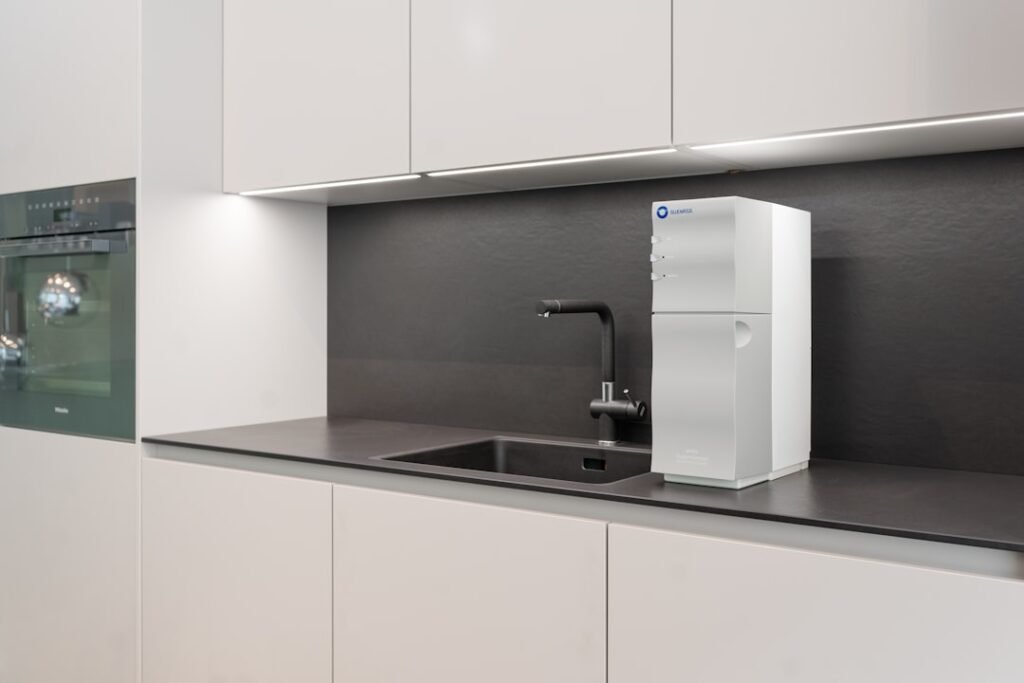
Not all water types offer the same protection during pregnancy. Here is how the most common options in Multan compare on contaminant removal and mineral retention:
| Water Type | Bacteria Removal | Heavy Metal Removal | Nitrate Removal | Mineral Retention | Suitability for Pregnancy |
|---|---|---|---|---|---|
| Tap water (untreated) | None | None | None | Variable | Not safe without further treatment |
| Boiled tap water | High (99.99% of pathogens) | None (may concentrate metals) | None (may concentrate) | Variable | Partial protection only |
| Basic filtered (carbon tap filter) | Low to moderate | Low (carbon does not remove dissolved metals) | Low | Moderate (some minerals stripped) | Not sufficient alone for Multan groundwater |
| Home RO (non-remineralized) | High | High | High | Low (minerals removed) | Safe from contaminants but lacks mineral balance |
| Sealed mineral water (PFA-compliant) | High (verified zero coliforms) | High (if source is RO-purified) | High | Balanced (100 to 150 PPM TDS) | Best combined protection for pregnancy |
The pattern is clear: boiling handles bacteria but nothing else. Carbon filters improve taste but leave dissolved heavy metals and nitrates untouched. Home RO removes almost everything, including the minerals you want. Sealed mineral water from a PFA-compliant supplier is the only option that addresses all four concerns, contaminant removal and mineral retention, in a single verified package.
Why Mineral Retention Matters During Pregnancy

Cleaning water of contaminants is only half the job. The other half is making sure the water still carries the minerals your body and your baby need. Calcium and magnesium support fetal bone development, and potassium helps maintain the fluid balance that pregnancy hormones are constantly shifting. Water that has been stripped of all dissolved minerals, such as plain non-remineralized RO water, technically meets a purity standard but does not support these nutritional needs.
The TDS range of 100 to 150 PPM is the sweet spot for pregnancy hydration. Below 50 PPM, the water is essentially empty of dissolved minerals. Above 300 PPM, it may carry excess salts and hardness that affect taste and digestion. Between 100 and 150 PPM, the water retains enough calcium, magnesium, and potassium to contribute meaningfully to your daily mineral intake while remaining clean and light-tasting.
Why Ultra-Pure RO Without Remineralization Falls Short
A standard RO membrane removes 90 to 99% of dissolved solids, including both contaminants and beneficial minerals. Without a remineralization stage, the water that comes out has a TDS near zero. This is not inherently dangerous to drink, but it means the water is not contributing any calcium, magnesium, or potassium to your diet at a time when those minerals are in higher demand. Many people also find non-remineralized RO water tastes flat, which can discourage the consistent intake that pregnancy requires.
If you use a home RO system, make sure it includes a remineralization stage. If you rely on delivered water, choose a supplier whose process includes controlled remineralization after purification. Our explanation of how RO water works covers the full multi-stage process, including why remineralization matters.
A Note on Alkaline Water During Pregnancy
Some expectant mothers ask whether alkaline water (pH 8 or above) is better during pregnancy. There is no established medical consensus that alkaline water offers specific benefits during pregnancy, and some doctors advise caution because high-pH water can affect stomach acid and potentially interfere with digestion and nutrient absorption at a time when both are critical. Neutral pH water (6.5 to 7.5) is the more conservative, well-studied choice. If you are weighing the differences between alkaline and mineral water, the key distinction is that mineral water focuses on balanced dissolved solids rather than elevated pH.
Daily Intake: How Much Is Enough?
General guidance for pregnancy suggests a daily intake of approximately 2.5 to 3 litres of water for the mother, not including additional fluids from food. Pregnancy increases blood volume, supports amniotic fluid, and raises the metabolic rate, all of which increase water needs. In Multan’s climate, where summer temperatures regularly exceed 45 degrees Celsius, the upper end of that range is more realistic.
Signs that intake may be inadequate include dark-coloured urine, persistent thirst, dry lips, headaches, and reduced alertness. These are general signs and not specific to pregnancy, but they should be taken seriously when the body is under additional demand. Conversely, forcing excessive water intake beyond what thirst and your doctor recommend is not beneficial. The goal is consistent, comfortable hydration throughout the day, not a single large volume at one sitting.
For practical strategies to build consistent hydration habits, our guide on how to increase water intake offers habit-based approaches that work even when plain water feels unappealing, which is common during pregnancy due to taste and smell sensitivity changes.
Make the Safe Switch
Choosing the best water for pregnant women comes down to one principle: verified safety plus balanced minerals. You want water that has been tested for bacteria, heavy metals, and nitrates, and that still retains the calcium, magnesium, and potassium your body needs at a TDS of 100 to 150 PPM and a pH between 6.5 and 7.5. In Multan’s water landscape, sealed mineral water from a PFA-compliant supplier is the most practical way to meet that standard consistently, without depending on aging infrastructure or home filter maintenance.
Noorè-Aab delivers 19L sealed mineral water across Multan, including Bosan Road, DHA, Gulgasht Colony, Officers Colony, and Buch Villas. Order one bottle, check the seal when it arrives, taste the water, and decide for yourself. If the quality is not what you expected, the deposit is refundable and there is no obligation to continue. We can also provide a TDS report on request so you can verify the mineral content yourself. Har Qatra Bharosy Ka.
Send us a message on WhatsApp with your address and preferred delivery time to request a sample delivery. We will bring a sealed 19L bottle to your door and answer any questions you have about the water, the testing, or the process.
Frequently Asked Questions
Is RO water safe during pregnancy?
RO water is safe from a contaminant perspective because reverse osmosis removes bacteria, heavy metals, and nitrates. However, standard RO also strips beneficial minerals like calcium and magnesium. If you use a home RO system during pregnancy, make sure it includes a remineralization stage so the water retains a TDS of 100 to 150 PPM. Alternatively, choose sealed mineral water from a PFA-compliant supplier that uses RO purification followed by controlled remineralization.
Can I drink alkaline water while pregnant?
There is no established medical consensus that alkaline water (pH 8 or above) offers specific benefits during pregnancy. Some doctors advise caution because high-pH water can affect stomach acid and potentially interfere with digestion and nutrient absorption. Neutral pH water between 6.5 and 7.5 is the more conservative, well-studied choice for pregnancy hydration.
Should I switch from tap water entirely during pregnancy?
In Multan, yes. Research on the city’s groundwater has found that a majority of tested samples exceed safe limits for arsenic and fluoride, and bacterial contamination is common in municipal supply. Boiling handles bacteria but does not remove heavy metals or nitrates. For drinking and cooking during pregnancy, sealed mineral water from a PFA-compliant supplier offers the most consistent protection.
How much water should a pregnant woman drink daily?
General guidance suggests approximately 2.5 to 3 litres of water daily during pregnancy, not including fluids from food. In hot climates like Multan, the upper end of that range is more realistic. Signs of inadequate intake include dark urine, persistent thirst, dry lips, and headaches. Always follow your doctor’s specific recommendations for your pregnancy.
What TDS level is best for pregnancy drinking water?
A TDS between 100 and 150 PPM is ideal for pregnancy. Below 50 PPM means the water has been stripped of beneficial minerals. Above 300 PPM may indicate excess salts and hardness. Between 100 and 150 PPM, the water retains enough calcium, magnesium, and potassium to support nutritional needs while remaining clean and light-tasting.