

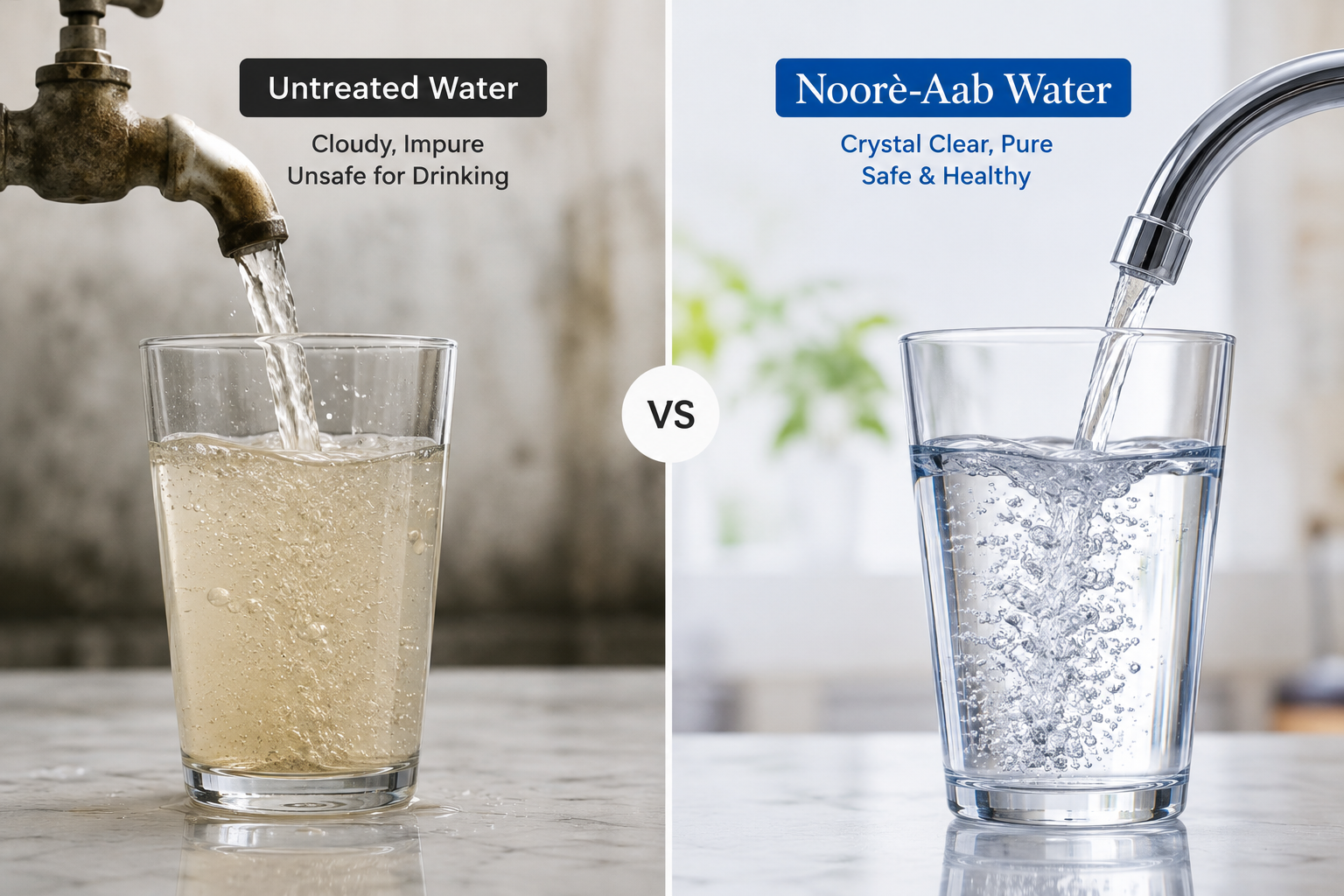
Direct Answer: Tap water safety depends heavily on your local supply and infrastructure. In many areas, “municipal water can contain chlorine residue, sediment, bacteria, or heavy metals from aging pipes — which is why boiling alone doesn’t remove everything, and why filtration or purification is often recommended before drinking tap water regularly.
household water safety isn’t a simple yes-or-no answer — it depends on where the water comes from, how it’s treated at the source, and what happens to it on its way to your tap.
Why Tap Water Isn’t Always Safe
Municipal water usually goes through basic treatment before reaching homes, but several issues can still affect its safety by the time it comes out of your faucet:
- Chlorine residue: Added to kill bacteria at the treatment stage, but it can linger in the water and affect taste and smell.
- Aging pipe contamination: Old or corroded pipes can introduce sediment, rust, or heavy metals into water after it leaves the treatment plant.
- Inconsistent monitoring: Water quality can vary day to day depending on supply source and local infrastructure, especially in areas with older systems.
- Biological contamination: Bacteria and pathogens can enter the supply through leaks or cross-contamination, particularly during heavy rains or infrastructure failures.
According to WHO guidelines on drinking water quality, regular monitoring is essential to catch contamination risks that basic treatment alone may miss.
Signs Your Water May Not Be Safe to Drink
Some warning signs are easy to notice at home:
- Unusual smell (chlorine, sulfur/rotten egg, or musty odor)
- Cloudy, discolored, or visibly murky water
- Strange or metallic taste
- Frequent stomach issues after drinking untreated household water
If you notice any of these signs regularly, it’s worth having your water tested or switching to a filtered/purified source.
Does Boiling Make Tap Water Safe?
Boiling kills most bacteria and some pathogens, but it does not remove chemical contaminants, heavy metals, or dissolved solids — in fact, boiling can sometimes concentrate certain contaminants as water evaporates. Boiling is a partial solution, not a complete one.
Tap Water vs. RO Water: What’s the Real Difference?
Tap water is delivered through municipal or local supply systems with basic treatment, while RO (Reverse Osmosis) water goes through a dedicated multi-stage filtration process designed to remove a much broader range of contaminants — including dissolved salts, heavy metals, and sediment that basic municipal treatment often doesn’t fully address.
For daily drinking, especially in areas with older infrastructure or inconsistent water quality, RO-purified water (particularly when combined with UV and ozone treatment) offers more consistent safety than relying on tap water alone.
Frequently Asked Questions
Is tap water safe to drink without filtering? It depends on your local water quality and infrastructure. In areas with older pipes or inconsistent treatment, filtering or purifying household water is generally recommended rather than drinking it directly.
Is tap water or bottled water safer? Neither is automatically safer — it depends on the source and treatment quality of each. What matters most is verified purification and regular testing, whether the water comes from a tap, a bottle, or a delivered purification system.
What waterborne diseases can come from unsafe tap water? Contaminated tap water can carry bacteria and pathogens linked to gastrointestinal illness, including diarrhea and other waterborne infections, particularly when water sits in aging or poorly maintained pipes.
Does chlorine in tap water make it unsafe? Chlorine itself is added to kill bacteria and is generally safe in small amounts, but it can affect taste and smell. Water that has been further filtered after treatment tends to taste noticeably cleaner.
Why is tap water sometimes unsafe even after municipal treatment? Water can pick up contaminants after leaving the treatment plant — through aging pipes, storage tanks, or inconsistent monitoring — which is why the water at your tap isn’t always the same quality as the water that left the treatment facility.